DELIVERING DEVELOPMENT
Services by Ole Dahl Rasmussen
Welcome to my company Copenhagen Development Advice. I provide consulting services
with special expertise in private sector development, business promotion, and inclusive finance.
Target clients are investors and companies focusing on low-income countries and impact, for example, through their supply chains or operations. Additionally, services are designed for development organisations like Danida, SIDA, World Bank, IMF, and IFAD.
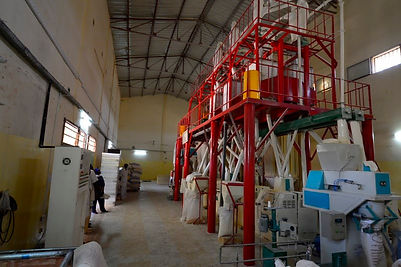
Maize processing in rural Burkina Faso adds value and creates jobs.
Why me?
More than 15 years of experience in delivering development, including 10 years as a diplomat at the Danish Ministry of Foreign Affairs/Danida, designing, quality assuring, and managing programmes of several hundred million euros.
-
8 years living and working in low-income countries: Uganda and Burkina Faso.
-
Served on the board of financial institutions, chaired donor groups and worked closely with governments.
-
Special expertise in private sector development, investment, value chains, financial sector development and climate finance.
-
Proficient in French and English.
-
PhD in Development Economics.
More information at my LinkedIn page and in my CV (write me for an updated version).

